Why Your Subaru Chose Greeley (And Why It Needs AutoTailor)
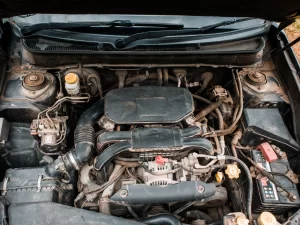
Your Subaru didn’t end up in Greeley by accident. Sure, you made the purchase, signed the paperwork, and drove it off the lot. But if Subarus could choose their homes, Northern Colorado would be near the top of the list. The mountain access, the weather extremes that prove what all-wheel drive actually means, the community of outdoor enthusiasts who understand that a vehicle is a partner in adventure rather than just transportation: Greeley checks every box.
Here’s the thing, though. Your Subaru thrives here, but it also works harder here. Every drive up to Rocky Mountain National Park tests components in ways that flat highway commutes never could. Every winter morning where the temperature drops below zero asks your engine, your battery, and your fluids to perform small miracles. Every dirt road to a trailhead introduces dust and debris into places that would stay pristine in a gentler environment. Your Subaru can handle all of it. That’s what it was built for, but only if you maintain it properly, and that’s where most Subaru owners in Greeley face a choice that matters more than they realize.
The Dealership Dilemma Nobody Talks About
Let’s address what you’re probably thinking: shouldn’t I just take my Subaru to the dealership for service? It’s a Subaru dealership, after all. They specialize in Subarus. They have Subaru-trained technicians. They use genuine Subaru parts. All of that is true. And for warranty work or recalls, the dealership is exactly where you need to go. But for routine maintenance and most repairs, the dealership model creates problems that rarely get discussed.
Recent data from Cox Automotive reveals a significant shift in American car owners’ service preferences. In 2021, 35% of all car services happened at dealerships. Just two years later, that number dropped to 30%. More telling: when vehicle owners were asked where they prefer to have their cars serviced, general repair shops came out ahead at 33%, compared to only 31% who prefer dealerships. This marks the first time dealerships have ever lost the preferred spot. The reason for this shift? Trust. When vehicle owners were asked why they returned to the dealership where they purchased their vehicle for service, only 54% offered “trust” as a reason, down from 62% in 2021. That’s not a small decline. That’s a fundamental erosion of confidence happening across the automotive service industry.
Dealership service departments operate as profit centers designed to move volume. Your appointment exists within a system processing dozens or hundreds of vehicles weekly. The service advisor you speak with often works on commission, creating incentives that don’t always align perfectly with your actual needs. The diagnostic process follows standardized protocols that work efficiently for common problems but sometimes miss vehicle-specific issues that an experienced Subaru technician would catch through deeper investigation.
The frustration shows up in the numbers. Forty-eight percent of drivers report frustration with their most recent dealership service visit. Common complaints include excessive wait times, dealers pushing additional services that may not be necessary, and prices proving higher than expected. When nearly half of all customers leave frustrated, something systemic is broken.
None of this means dealerships employ bad technicians or provide poor service. Many dealership mechanics are highly skilled professionals who care deeply about their work, but the system they operate within prioritizes throughput and upselling over the kind of relationship-based service that transforms car maintenance from a dreaded chore into a partnership.
The Independent Shop Advantage (When Done Right)
Independent repair shops exist on a spectrum from exceptional to concerning. The best independent shops combine dealership-level expertise with personalized service and often superior diagnostic capabilities. The worst shops cut corners, use inferior parts, and leave customers worse off than when they arrived.
We fall firmly in the first category, but explaining why requires going beyond the usual marketing claims about “quality service” and “experienced technicians” that every shop plasters across their website. Since opening in Greeley in 2011, after operating in Denver since 1993, we built our reputation on a simple premise: every driver has different needs, and one-size-fits-all service creates problems rather than solving them. That philosophy, embedded in the name itself, shows up in how we actually operate.
When you bring your Subaru to us, you’re not entering a system designed to process maximum vehicles per day. You’re starting a conversation with master-certified technicians who have seen thousands of Subarus and understand the specific issues that emerge at different mileage points, in different driving conditions, and with different maintenance histories.
The cost difference between dealership and independent shop service is smaller than most people realize. According to the Cox Automotive study, the average dealership service visit in 2023 costs $258, while a visit to a non-dealer service provider costs an average of $249. You’re not saving hundreds of dollars by choosing an independent shop, what you’re gaining is a different service experience: more personalized attention, technicians who have time to thoroughly investigate problems rather than rushing to the next appointment, and advisors whose compensation doesn’t depend on upselling services you don’t need.
What Makes Subaru Maintenance Different
Subarus require specific knowledge that goes beyond general automotive repair in Greeley. The boxer engine configuration that gives Subarus their low center of gravity and excellent handling also creates unique maintenance requirements. The symmetrical all-wheel-drive system that provides superior traction in Colorado weather demands attention to differential fluids and drive train components that two-wheel-drive vehicles don’t have.
Our technicians understand these Subaru-specific requirements because we work on Subarus regularly. We know that head gasket issues plagued certain model years. We recognize the symptoms of a failing wheel bearing before it becomes a safety issue. We understand the importance of using the correct viscosity oil for Colorado’s temperature extremes and how aftermarket oil filters sometimes lack the quality control of OEM alternatives.
This specialized knowledge matters because Subarus are expensive to own when maintained incorrectly. A $150 service that uses the wrong transmission fluid can create a $3,000 repair eighteen months later. A technician who doesn’t understand the importance of properly torquing spark plugs in a boxer engine can strip threads and turn routine vehicle maintenance into an engine rebuild.
The data shows that car owners are getting their vehicles serviced more frequently than during pandemic lows but still less often than historical norms. In 2023, the average owner had their vehicle in for service or maintenance 2.5 times a year, up from 2.3 in 2021 but down from an average of 2.8 in 2018. This reduction in service frequency means each visit matters more. Skipping or delaying maintenance compounds problems over time, making it even more critical that the service you do receive is thorough and accurate.
The Real Cost of Car Maintenance
Most people think about car maintenance costs in terms of the invoice they receive after service. That’s the visible cost. The invisible costs often exceed the visible ones by significant margins. Service costs have increased dramatically across the industry. The Cox Automotive study found that the average price per service visit has increased 45% in just two years. This sharp increase makes accuracy even more important. When you’re paying significantly more for service than you did two years ago, you need confidence that the work being performed actually addresses your vehicle’s needs rather than following a standardized maintenance template that may not apply to your specific situation.
Poor maintenance creates premature wear that shortens vehicle lifespan. Delayed maintenance allows small problems to become large ones. Incorrect repairs require repair again, doubling or tripling the cost of fixing the original issue. Every time your vehicle sits in a shop waiting for parts that should have been ordered correctly the first time, you lose time, convenience, and often income if you miss work.
Our approach reduces these invisible costs through accurate diagnostics that identify actual problems rather than guessing and replacing components until something works. Our use of high-quality parts means repairs last longer and don’t require repeating. Our efficient service minimizes the time your vehicle spends in the shop because experienced technicians complete repairs correctly the first time.
Our location next to the UNC campus might seem like a random geographic detail, but it reflects something important: we understand that our customers have lives that don’t pause for car repairs. Students need to get to class, professionals need to get to work, families need to get to soccer practice, doctor’s appointments, and grocery stores. Minimizing vehicle downtime isn’t a nice bonus; it’s a core requirement of good service.
Advanced Diagnostics Matter More Than You Think
Modern Subarus are computers with wheels attached. The engine, transmission, all-wheel-drive system, safety features, entertainment systems: everything runs on software that communicates through networks more complex than most home computer setups.
When something goes wrong, a check engine light or warning message provides a starting point for diagnosis but rarely tells the complete story. A code indicating an oxygen sensor problem might actually stem from a vacuum leak, an exhaust issue, or even something as simple as a loose gas cap. Replacing the oxygen sensor fixes the code temporarily but doesn’t solve the underlying problem.
Our investment in cutting-edge diagnostic equipment means our technicians can investigate problems at a system level rather than just responding to codes. This technology costs significantly more than the basic code readers many shops use, but it pays for itself through accurate repairs that solve actual problems rather than symptoms.
This diagnostic capability matters especially as vehicles become more complex. The trend toward increased complexity shows no signs of slowing. Even routine maintenance now involves computers, sensors, and systems that didn’t exist in vehicles from a decade ago. Shops without proper diagnostic equipment and training struggle to service modern vehicles effectively, leading to misdiagnoses and unnecessary repairs that frustrate customers and damage trust.
The Trust Question
Every car owner who’s been burned by a dishonest shop or unnecessary upselling carries skepticism when evaluating new service providers. That skepticism is healthy, it protects you from predatory businesses that see customers as revenue opportunities rather than people who need help. Building trust in this environment requires more than friendly service advisors and clean waiting rooms. It requires consistent demonstration over time that advice given aligns with customer interests rather than shop profits.
The automotive service industry faces a trust crisis. The fact that trust in dealerships dropped from 62% to 54% in just two years signals something deeper than normal market fluctuation. It suggests widespread experiences where customers felt misled, overcharged, or pushed toward unnecessary services. This erosion of trust creates opportunity for service providers who prioritize honest communication and transparent pricing.
Our master certification credentials provide external validation of our quality standards, but the real trust-building happens in smaller moments: when a technician explains that a service the dealership recommended isn’t actually necessary yet, when we call to let you know a repair will cost less than quoted because we found a simpler solution, when we tell you honestly that a problem exists but doesn’t require immediate attention so you can plan accordingly. These moments accumulate and transform a transactional relationship into a partnership where you trust that our recommendations serve your interests rather than our revenue goals.
In an industry where nearly half of all customers leave service visits frustrated, finding a shop that consistently delivers straightforward service creates genuine value that extends far beyond the cost savings on any individual repair.
Why Convenient Location Matters
Our location at 1011 16th Street in Greeley creates practical advantages that might seem minor until you actually need them. The proximity to UNC means students can walk to campus while their vehicle gets serviced. The central Greeley location makes us accessible from Windsor, Evans, and surrounding communities without adding significant travel time.
But location matters for another reason: we exist as part of Greeley’s community rather than as a corporate outpost serving it. We’re members of Greeley’s Chamber of Commerce and Colorado’s Automotive Service Association. Owner Brent Wells and our team have built relationships throughout Northern Colorado over decades of operation.
This embeddedness creates accountability that extends beyond online reviews and Better Business Bureau ratings. When you operate in a community long-term, your reputation depends on consistent quality because unhappy customers have real consequences that extend far beyond a single negative review.
What Your Subaru Actually Needs
So what does proper Subaru maintenance in Greeley actually look like? The answer depends on your specific vehicle, how you drive it, and what you need it to do, but some general principles apply across the board.
- Regular oil changes using quality synthetic oil appropriate for Colorado’s temperature range form the foundation of engine longevity. Subaru’s boxer engines are less forgiving of neglected oil changes than inline engines because the horizontal configuration makes it easier for oil to pool in cylinders when the engine sits.
- Transmission and differential fluid changes at appropriate intervals keep all-wheel-drive systems functioning properly. Many Subaru owners don’t realize their vehicle’s transmission is sealed for life, which actually means “sealed for the life of the warranty” rather than the life of the vehicle. Regular fluid changes extend transmission life significantly.
- Brake system maintenance requires particular attention in mountain driving environments. The extended downhill runs Colorado drivers encounter regularly create heat that breaks down brake fluid and wears pads faster than flat-terrain driving.
- Tire rotation and alignment preserve expensive tires and ensure the all-wheel-drive system operates correctly. Uneven tire wear can damage all-wheel-drive components, transforming a simple maintenance oversight into an expensive repair.
The question isn’t whether your Subaru needs maintenance. The question is whether you’re getting maintenance that actually addresses your vehicle’s specific needs based on accurate diagnosis and honest advice, or whether you’re receiving standardized service designed to maximize shop revenue while minimizing time per vehicle. The difference between these approaches shows up in your vehicle’s longevity, reliability, and total cost of ownership over time.
Making the Choice
Your Subaru deserves maintenance that honors the engineering that went into creating it. Whether that maintenance happens at AutoTailor or elsewhere, the most important decision is choosing a service provider who combines technical expertise with honest advice and genuine care for customer outcomes.
The industry trends are clear: Americans are losing trust in dealership service, seeking alternatives that provide better value and more honest communication. That search has led a third of car owners to prefer general repair shops over dealerships for the first time in automotive service history. However, not all independent shops are created equal. The same study showing declining dealership trust also reveals that service chains like quick lube centers and tire shops are gaining market share, not necessarily because they provide superior service but because they offer convenience and transparent pricing.
We offer something different: the expertise and diagnostic capabilities that rival or exceed dealership service, combined with the personalized attention and honest communication that frustrated dealership customers are seeking. We’ve served the Greeley community since 2011, building a reputation one vehicle at a time through consistent quality and transparent communication.
We employ master-certified technicians who understand Subarus specifically and use cutting-edge diagnostics to identify problems accurately. We use high-quality parts and stand behind our work. Most importantly, we tailor our service to your actual needs rather than following a script designed to maximize revenue per vehicle.
If you’re looking for Subaru maintenance and repair in Greeley that treats your vehicle as more than just another service appointment, we offer an alternative to both dealership volume processing and questionable independent shops. Your Subaru chose Greeley as home. Make sure it has the maintenance partner it deserves to thrive here.
The Autotailor Advantage
- Locally Owned
- Master Technicians
- Quality Parts
- Foreign & Domestic Vehicles
- Tailored Advice
- Shuttle Service